

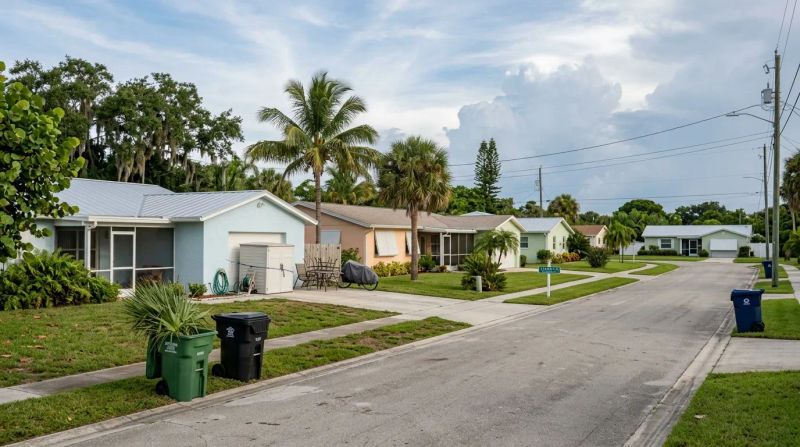
As a Senior Home Repair & Lawnscaping Specialist who has worked across Fort Pierce for over 15 years, I’ve learned that our relationship with the weather is unique. Living here on the Treasure Coast is a privilege, but it comes with a responsibility to prepare for what the Atlantic might send our way. As June arrives, it signals the start of the most critical window for landscape preparation. This isn't about last-minute panic; it's about a systematic, calm approach to securing your property. The unique combination of coastal gusts, sandy soil, and the types of plants that thrive here means that a generic checklist just won't cut it. Your yard requires a Fort Pierce-specific strategy to minimize risk and protect your home's value.
Fort Pierce Weather Challenges
Living in Fort Pierce means embracing the sunshine, but also respecting the power of our coastal weather systems. Unlike inland areas, our properties are on the front lines when tropical storms and hurricanes approach. The challenges we face are distinct.
First, there's the wind. It’s not just the sustained force during a major event; it's the constant, salt-laden coastal gusts that can weaken trees over time. When a storm does arrive, this pre-existing stress makes branches more likely to fail. We also have to contend with tornadic spin-ups embedded in the outer bands of storms, which can create intense, localized wind damage even when the storm's eye is far away.
Second is our soil. The sandy, porous soil of the Treasure Coast is fantastic for drainage in many situations, but it offers a less tenacious grip for root systems compared to dense, clay-based soils. Newly planted or top-heavy trees can be especially vulnerable to uprooting in saturated soil combined with high winds. At Patrick Home Repair Maintenance Lawnscaping Service LLC, we see this often in Fort Pierce, where a beautiful landscaping addition from the spring becomes a major hazard by late summer if not properly established.
Finally, there's the water. Sudden, intense downpours can overwhelm unprepared properties, causing soil erosion and flooding around your foundation. Debris from your yard - or your neighbor's - can clog storm drains, compounding the problem for the whole street. Every loose palm frond, unpruned branch, or decorative pot has the potential to become a projectile or a blockage.
Best Practices for Local Homeowners
Effective hurricane yard prep isn't a one-day affair. It's a series of deliberate actions taken throughout the early part of the season. Here is a Fort Pierce yard wind damage prevention checklist that our technicians use as a guide for local properties.
- Strategic Tree & Shrub Pruning: The goal is not to shear a tree into an unnatural shape. The correct approach is to selectively thin the canopy, removing dead, damaged, or crossing branches. This allows wind to pass through the tree rather than pushing against it like a sail. For our iconic palms, this means removing only the brown, dead fronds. Over-pruning (creating a “hurricane cut”) can actually weaken the palm and make it more susceptible to future storm damage.
- Staking and Securing Young Trees: If you have trees planted within the last two years, they likely need support. Learning how to stake young trees before a tropical storm in Florida is crucial. Use two or three stakes placed outside the root ball. Secure the trunk to the stakes using wide, flexible materials like canvas strapping or commercial tree straps. Never use wire or rope directly against the bark, as it will cut into the tree and cause damage. The tree should be able to move slightly in the wind; this flexibility helps it build trunk strength.
- Smart Lawn Care and Fertilization: Your lawn's health is a key defense against soil erosion. Regarding when to fertilize lawns before hurricane season on the Treasure Coast, the best practice is to apply a slow-release, low-nitrogen fertilizer early in the season (May or early June) to promote strong root growth. Avoid fertilizing immediately before a storm is forecast, as heavy rains will wash the nutrients into our waterways, contributing to algae blooms. We also recommend holding off on mowing if a storm is imminent. Slightly taller grass helps hold the soil in place during heavy downpours.
- Clear All Potential Projectiles: Walk your property and identify anything that isn't bolted down. This is the most critical and often overlooked step.
- Patio furniture, umbrellas, and grills
- Potted plants and hanging baskets
- Garden tools, hoses, and sprinklers
- Children's toys and play equipment
- Bird feeders and yard art
Designate a secure location - a garage, shed, or even indoors - to store these items long before the wind picks up.
- Inspect Drainage Systems: Ensure your gutters are clean and downspouts are directed away from your home's foundation. If you have French drains or other drainage solutions, check that they are free of debris and functioning correctly. Good drainage prevents soil saturation around your foundation, which helps protect both your home and your nearby plantings.
Local Resources and References
While our team is always ready to help, staying informed is part of being a prepared homeowner. The St. Lucie County Emergency Management department is your official source for weather alerts, evacuation notices, and shelter information. Their website provides comprehensive guides that complement your physical yard prep.
For horticultural advice specific to our region, the University of Florida IFAS Extension office in St. Lucie County is an invaluable resource. They offer science-backed guidance on plant selection, pruning techniques, and fertilization schedules tailored to our unique coastal environment. Following their recommendations can help you create a landscape that is not only beautiful but also more resilient to storms.
Choosing a Local Expert
When hurricane season is on the horizon, you need a partner you can trust. There's a significant difference between a crew that simply cuts grass and a professional landscaping service that understands the science behind storm preparation. A true local expert brings organized workflows, trained technicians, and a deep understanding of Fort Pierce's environment.
Patrick Home Repair Maintenance Lawnscaping Service LLC has served Fort Pierce homeowners for years, and we've built our reputation on reliability and expertise. Our standardized processes ensure that every property we service receives the same high level of attention to detail. We don't just show up; we execute a repeatable pre-storm checklist that's been refined over many seasons. We are licensed, insured, and deeply familiar with the various HOA requirements throughout our local communities. Choosing a professional service means you have a reliable team on standby, ready to help you prepare before a storm and assist with cleanup afterward.
Conclusion
As your neighbor and a dedicated specialist, I can't stress this enough: the time to prepare your Fort Pierce yard is now. June provides the perfect window to be proactive, before the season becomes active and landscaping crews are booked solid. By selectively pruning trees, securing new plantings, managing your lawn's health, and clearing potential projectiles, you are making a direct investment in the safety of your home and community. This isn't just about yard work; it's about responsible homeownership on the Treasure Coast.
When it comes to protecting your property with proven local knowledge, the team at Patrick Home Repair Maintenance Lawnscaping Service LLC has the expertise you need. Reach out to us today to schedule a pre-season landscape assessment and let our trained crews help you build a safer, more resilient yard.