

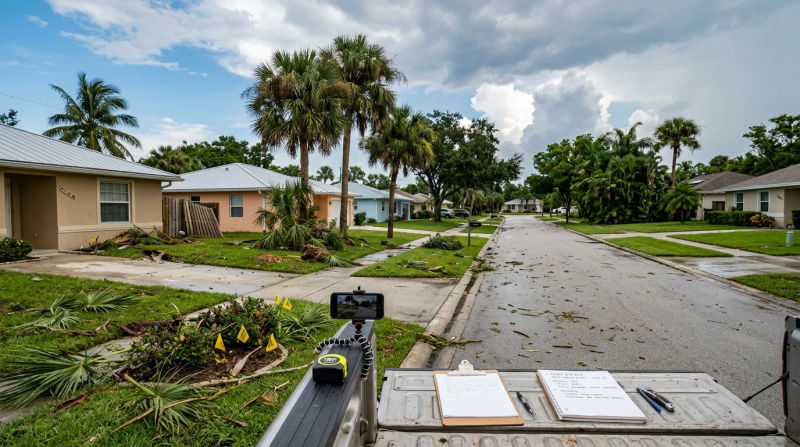
As a Senior Home Repair & Lawnscaping Specialist who has spent more than 15 years working on properties here in Fort Pierce, I’ve seen how our unique coastal environment shapes our lives and our landscapes. We live in a beautiful place, but that beauty comes with the responsibility of preparing for and recovering from hurricane season. When a tropical system hits, the focus is rightly on the safety of our homes and families. But the aftermath often leaves homeowners facing significant Fort Pierce landscape damage, and the path to recovery can be confusing. The process of documenting that damage for insurance and repair planning is a critical first step, and it's one where local knowledge truly matters.
Fort Pierce Weather Challenges
Living on the Treasure Coast means dealing with more than just high winds during a storm. The challenges to our yards and gardens are complex. At Patrick Home Repair Maintenance Lawnscaping Service LLC, we see this often in Fort Pierce. The combination of wind, salt, and water creates a trio of threats that can devastate even well-maintained landscapes.
- Wind-Driven Salt Spray: Even if you're not directly on the water, hurricane-force winds carry a corrosive salt spray miles inland. This spray coats leaves, stems, and soil, leading to chemical burns on plants that may not be apparent for days or weeks. Palms, hibiscus, and other coastal favorites are particularly vulnerable.
- Rapid Flooding and Soil Saturation: Our sandy soil drains well, but the sheer volume of rain from a tropical system can quickly lead to standing water. This suffocates root systems, destabilizes mature trees, and can wash away mulch and topsoil. Irrigation heads can be buried in silt, and landscape edging can be dislodged by the shifting, saturated ground.
- Targeted Wind Damage: The layout of our neighborhoods creates wind tunnels between homes. This can cause concentrated damage, where one side of a property is shredded while the other seems untouched. We often see large limbs snap, fences topple, and entire hedges uprooted due to these focused wind gusts.
In historic neighborhoods like Fellsmere, where many homes date back to the pre-1940s Florida Vernacular style, the mature trees that complement these properties are often the most significant potential losses. A majestic, decades-old oak is an invaluable part of the property's character and value, and documenting its damage correctly is essential.
Best Practices for Local Homeowners
After a storm has passed and you’ve confirmed your home is secure, the temptation is to immediately start clearing debris. As a professional, I advise you to pause and document everything first. A clear and thorough record is the foundation of a successful hurricane insurance landscape claim Fort Pierce. Insurers need proof of loss, and your memory alone won't suffice.
Here is a photo checklist for yard damage that our trained crews at Patrick Home Repair Maintenance Lawnscaping Service LLC use. It’s a standardized process designed for clarity and completeness:
- Start with Wide-Angle Shots: Before touching anything, take photos of your entire property from multiple angles (front, back, sides). Stand in the same spots where you might have previous photos (like a Google Street View image) to create a clear before-and-after comparison.
- Document Specific Areas of Damage: Move closer to photograph each damaged element individually. This includes:
- Fallen Trees and Major Limbs: Take photos showing the entire fallen tree or limb, where it broke, and any damage it caused to other plants, structures, or hardscaping.
- Uprooted Shrubs and Hedges: Capture the exposed root balls and the empty space left behind.
- Hardscaping: Photograph damaged landscape edging, retaining walls, pathways, and patios. Place a tape measure next to cracks or displaced sections to show scale.
- Irrigation Systems: Look for broken sprinkler heads, cracked pipes, or damaged valve boxes. If an area is flooded, note that it prevents a full inspection.
- Use Close-Ups for Detail: Take detailed shots of snapped trunks, deep gouges in bark, and broken irrigation components. This helps establish the severity of the damage.
- Provide Context and Scale: In some of your photos, include your house or another permanent structure in the background. This helps orient the viewer and proves the photos are of your property. Placing a common object like a yardstick or even a wallet next to smaller damaged items can help an adjuster understand the scope.
When considering what landscaping damage is covered Florida insurance policies can vary widely. Generally, policies may offer limited coverage for trees, shrubs, and plants, often with a per-item cap. Damage from wind is sometimes treated differently than damage from flooding. However, the removal of a fallen tree that has damaged a covered structure (like your house or fence) is often covered. Your best strategy is to document everything and let your insurance provider determine what applies. A detailed photo log gives you the strongest possible position.
Local Resources and References
Navigating the aftermath of a storm is a community effort. Beyond professional help, there are local resources that can provide guidance. The City of Fort Pierce will typically release specific instructions for storm debris collection - it's important to follow their guidelines for separating vegetative debris from construction materials.
For advice on whether a salt-damaged tree or shrub can be saved, the UF/IFAS St. Lucie County Extension office is an excellent, unbiased resource. Their Master Gardeners can offer science-backed advice on plant recovery, which can help you decide between removal and rehabilitation.
Choosing a Local Expert
When it comes to cleanup and repair, you need a team that understands the stakes. You need more than just a crew with a chainsaw; you need a professional service that operates with a clear, organized workflow. Patrick Home Repair Maintenance Lawnscaping Service LLC has served Fort Pierce homeowners for years, and we’ve built our reputation on reliability and expertise. Our technicians are trained not only in safe debris removal but also in the documentation process that protects you, the homeowner.
We know that a quick response is crucial, both to make your property safe and to mitigate further damage. Our standardized processes ensure that our teams work efficiently and safely, documenting their work as they go. This level of organization is what separates a professional service from a simple cleanup crew. We have the capacity and the expertise to handle significant storm recovery projects, providing you with peace of mind during a stressful time.
As the author of this guide and a long-time specialist in the field, I've seen the difference professional documentation makes. It transforms a chaotic situation into a manageable project with a clear path forward.
Conclusion
Recovering from a hurricane is a marathon, not a sprint. By taking a methodical approach to documenting landscape damage, you empower yourself to have productive conversations with your insurance company and your repair contractors. Remember to act quickly but deliberately, creating a comprehensive visual record before the cleanup begins. This diligence provides the proof needed to support your claim and sets the stage for a successful restoration of your beautiful Fort Pierce property.
When it comes to navigating storm recovery in Fort Pierce, you don't have to do it alone. If you need assistance with damage assessment, documentation, or cleanup, the team at Patrick Home Repair Maintenance Lawnscaping Service LLC has the local expertise and professional process you can rely on. Contact us today to see how we can help.